Maximum Income For Section 8
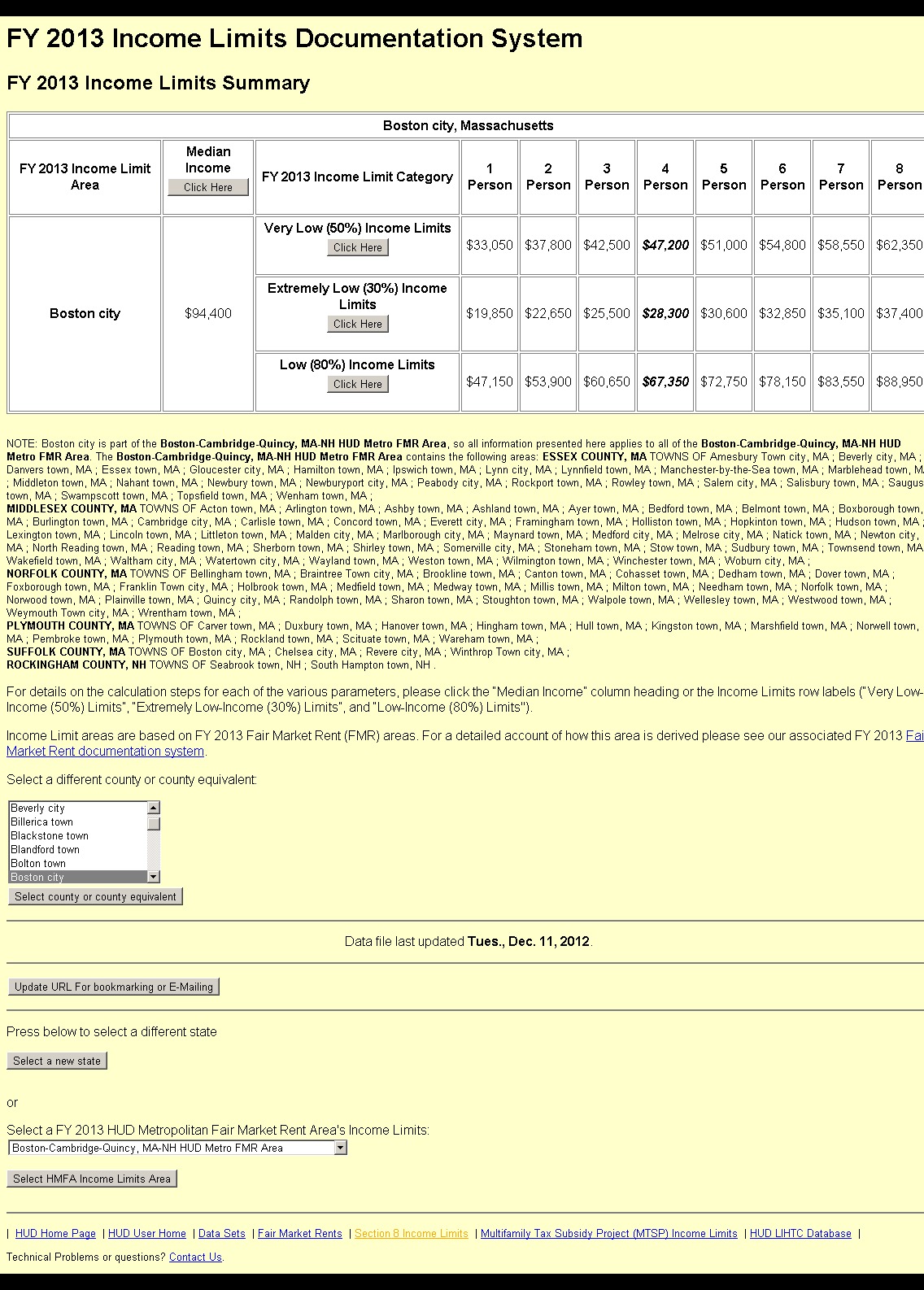
Maximum Income For Section 8. This applies to all families with. This list presents various areas within all 50 states, and for each location, a few different limits are shown.
The term "income" refers to a financial value that gives savings and purchase opportunities to an individual. The issue is that income is hard to define conceptually. Therefore, the definitions of income can differ based on the study area. With this piece, we'll review some key elements of income. In addition, we will examine rents and interest payments.
Gross income
Net income is the amount of your earnings before taxes. On the other hand, net income is the total amount of your earnings after taxes. It is crucial to comprehend the distinction between gross and net revenue so that you can correctly report your earnings. Gross income is an ideal measure of your earnings due to the fact that it gives you a clearer idea of the amount that you can earn.
Gross Income is the amount an organization earns before expenses. It allows business owners to compare sales over different periods and to determine the seasonality. It also assists managers in keeping track of sales quotas and productivity needs. Understanding how much a company earns before expenses is critical to managing and developing a profitable company. It allows small-scale businesses to determine how they are faring in comparison to their rivals.
Gross income can be determined on a product-specific or company-wide basis. For instance, a business is able to calculate profit by item with the help of tracking charts. If a product does well in the market, the company will be able to earn higher profits than a company with no products or services at all. This could help business owners identify which products they should focus on.
Gross income comprises dividends, interest and rental earnings, as well as gambling winners, inheritances, as well as other income sources. But, it doesn't include payroll deductions. If you are calculating your income be sure to subtract any taxes you are obliged to pay. Furthermore, your gross revenue should not exceed your adjusted revenue, which represents the amount you actually take home after calculating all the deductions you've made.
If you're a salaried worker, you probably already know what your earnings are. Most of the time, your gross income is the amount you receive before taxes are deducted. The information is available in your pay slip or contract. If there isn't the documentation, you may request copies of it.
Gross income and net income are important parts of your financial situation. Understanding and interpreting them can aid in creating a buget and prepare for what's to come.
Comprehensive income
Comprehensive income is the total change in equity over the course of time. The measure does not account for changes in equity as a result of private investments by owners and distributions to owners. It is the most frequently utilized measure for assessing the performance of business. This kind of income is an crucial element of an organization's profit. Thus, it's crucial for owners of businesses to comprehend the importance of it.
Comprehensive income can be defined in FASB Concepts Statement number. 6. It is a term that includes change in equity from sources other than owners of the company. FASB generally adheres to the concept of an all-inclusive source of income however it occasionally has made exceptions that demand reporting of changes in liabilities and assets in the operation's results. These exceptions are described in the exhibit 1 page 47.
Comprehensive income is comprised of cash, finance costs tax costs, discontinued operations, also profit sharing. It also comprises other comprehensive income, which is the difference between net income recorded on the income account and comprehensive income. Also, the other comprehensive income is comprised of unrealized gains in derivatives and securities that are used as cash flow hedges. Other comprehensive income can also include accrued actuarial gains in defined benefit plans.
Comprehensive income is a way for companies to provide their the public with more information regarding their earnings. In contrast to net income, this measure can also include unrealized earnings from holding and gains from foreign currency translation. Although these are not included in net income, they're significant enough to be included in the balance sheet. Additionally, it provides more comprehensive information about the equity of the company.
Comprehensive income includes gains and losses that are not realized and losses from investments. This is because the value of the equity of an enterprise can change during the reporting period. The equity amount does not count in the calculation of net income, since it isn't directly earned. The differences in value are reflected in the equity section of the balance sheet.
In the future, the FASB remains committed to improve its accounting guidelines and standards and make the comprehensive income an greater and more accurate measure. The goal is to provide additional insights into the activities of the company as well as enhance the ability to predict the future cash flows.
Interest payments
Interest payments on income are taxes at ordinary personal tax rates. The interest income is added to the overall profit of the business. However, each individual has to pay tax in this amount based upon their tax bracket. For instance, if a tiny cloud-based software firm borrows $5000 on the 15th of December, it would have to make a payment of $1,000 of interest at the beginning of January 15 in the following year. This is an enormous amount especially for small businesses.
Rents
For those who own property You may have thought of rents as an income source. What exactly are they? A contract rent is an amount which is determined by two parties. It can also refer to the additional revenue received by a property proprietor who isn't required to perform any additional tasks. For example, a Monopoly producer could charge more than a competitor while he/she has no obligation to complete any extra work. Also, a difference rent is an extra profit which is generated by the fertileness of the land. It is usually seen in the context of extensive farming.
A monopoly might also be able to earn quasi-rents till supply matches up to demand. In this situation it is possible to extend the definition of rents to all kinds of profits from monopolies. But this is not a legitimate limit on the definition of rent. It is important to keep in mind that rents can only be profitable when there isn't a supply of capital in the economy.
Tax implications are also a factor for renting residential properties. This is because the Internal Revenue Service (IRS) is not a great way to lease residential properties. Therefore, the question of whether renting is an income source that is passive is not simple to answer. It depends on many factors and the most significant is the degree of involvement with the rental process.
In calculating the tax implications of rental incomes, you need to think about the possible dangers of renting out your property. It's not a guarantee that there will always be renters which means you could wind finding yourself with an empty home and no money. There may be unanticipated costs such as replacing carpets patching holes in drywall. However, regardless of the risks involved in renting your home, it can be a good passive source of income. If you are able to keep the costs down, renting can be a fantastic way in order to retire earlier. It could also be used as a hedge against inflation.
Although there are tax implications when renting a property but you must also be aware renting income will be treated differently than income via other source. It is essential to consult an accountant, tax attorney or tax attorney when you are planning to rent properties. Rental income can include late fees, pet fee as well as work done by tenants in lieu of rent.
That means that the maximum income allowed for section 8 housing might be higher in. You may be disqualified in the following situations: Extra low income shows the maximum income allowed to qualify for rental.
A Family’s Annual Income Can Be No More Than 80 Percent Of The Area Median Income.
That means that the maximum income allowed for section 8 housing might be higher in. 51700 30% of median 11500 13150. In areas of the country that.
You Have Been Convicted Of Certain Violent Crimes, Certain Types Of Fraud, Drug Trafficking.
Hud does not permit section 8 families to spend more than 40 percent of their income on housing. There are two types of section 8 income limits for homeless families: 9 rows the section 8 requirements in california specify the family composition and maximum income you.
To Qualify For Section 8 Housing, A Tenant Must Make No More Than 50 Percent Of The Median Income For The Metro Area To Which They’re Applying.
Your pha can tell you if the program is currently. This applies to all families with. Department of housing and urban development’s (hud) website.income limits.
Eligibility For The North Carolina Section 8 Program Depends Largely On Income.
Hud released the fiscal year (fy) 2022 estimated median family incomes (mfis) and the fy 2022 income limits.mfis are used as the basis for. Hud sets annual income limits based on how many people are in your family. Maximum income per $1000 gift * see calculation of annuity reserves ** per thousand of gift.
The Home Income Limits Are Calculated Using The Same Methodology That Hud Uses For Calculating The Income Limits For The Section 8 Program, In Accordance With Section.
It provides section 8 housing. Extra low income shows the maximum income allowed to qualify for rental. Hud's income limits for the los angeles area are in.
Post a Comment for "Maximum Income For Section 8"